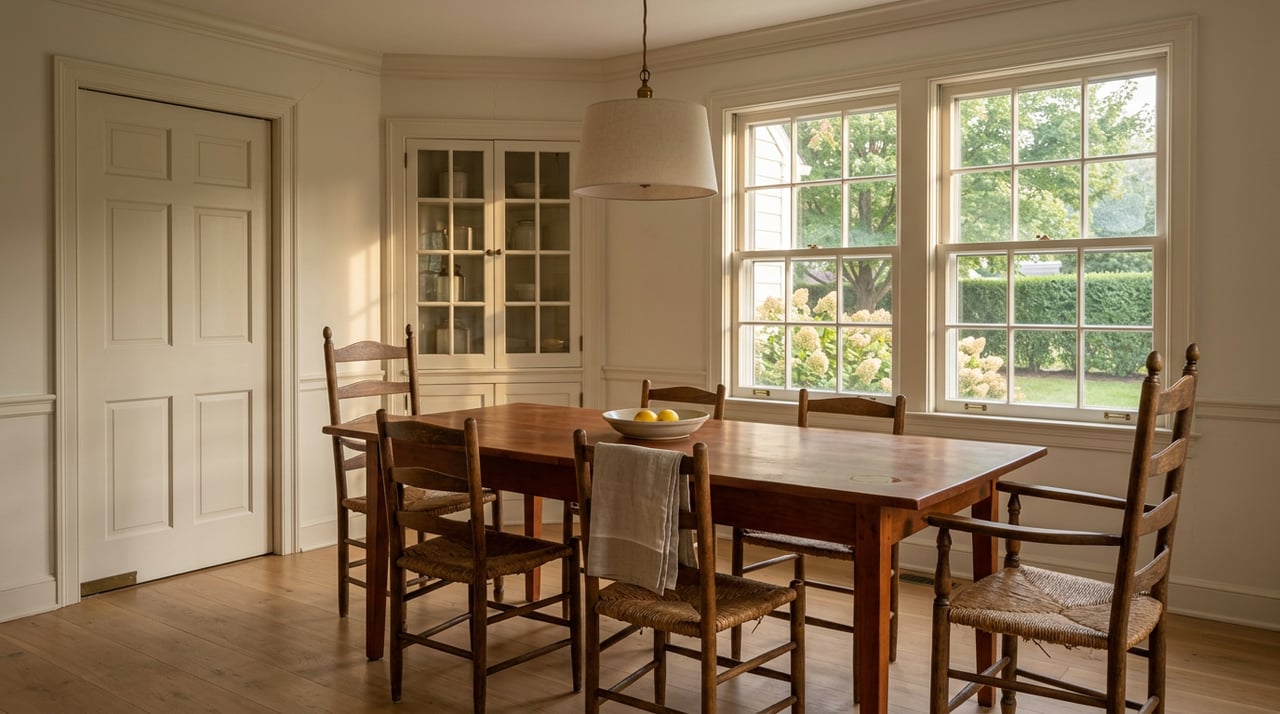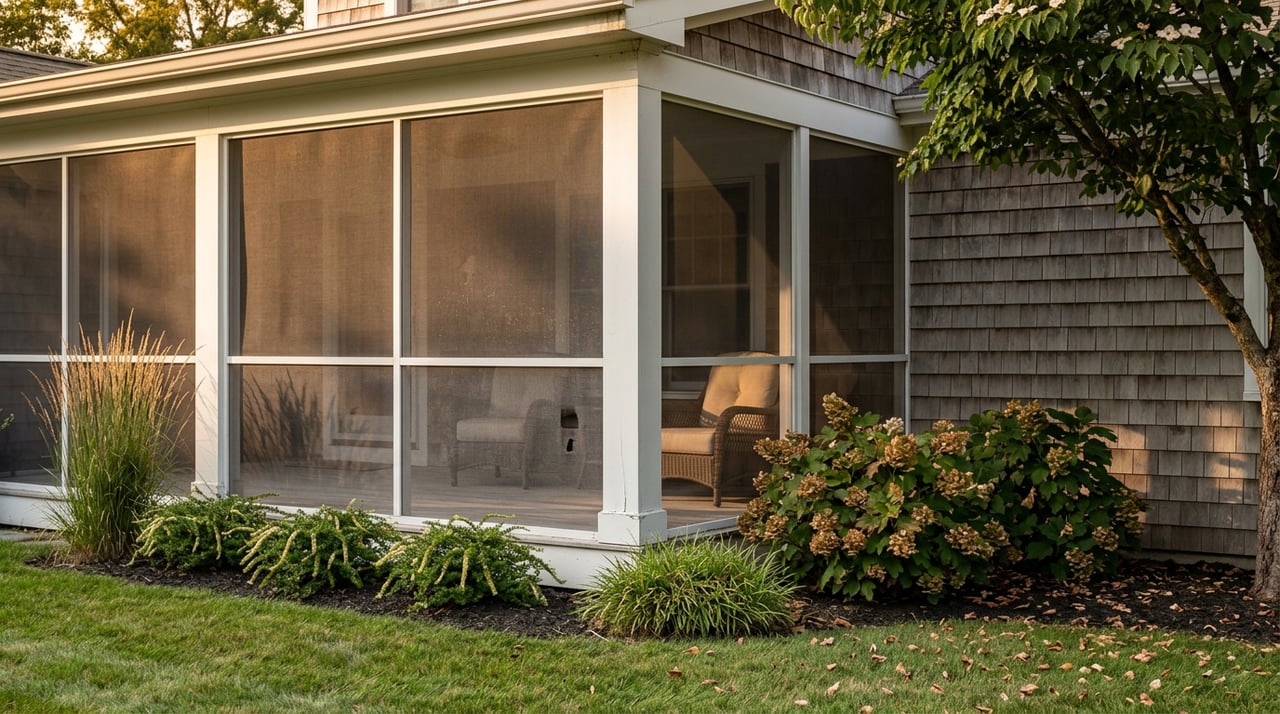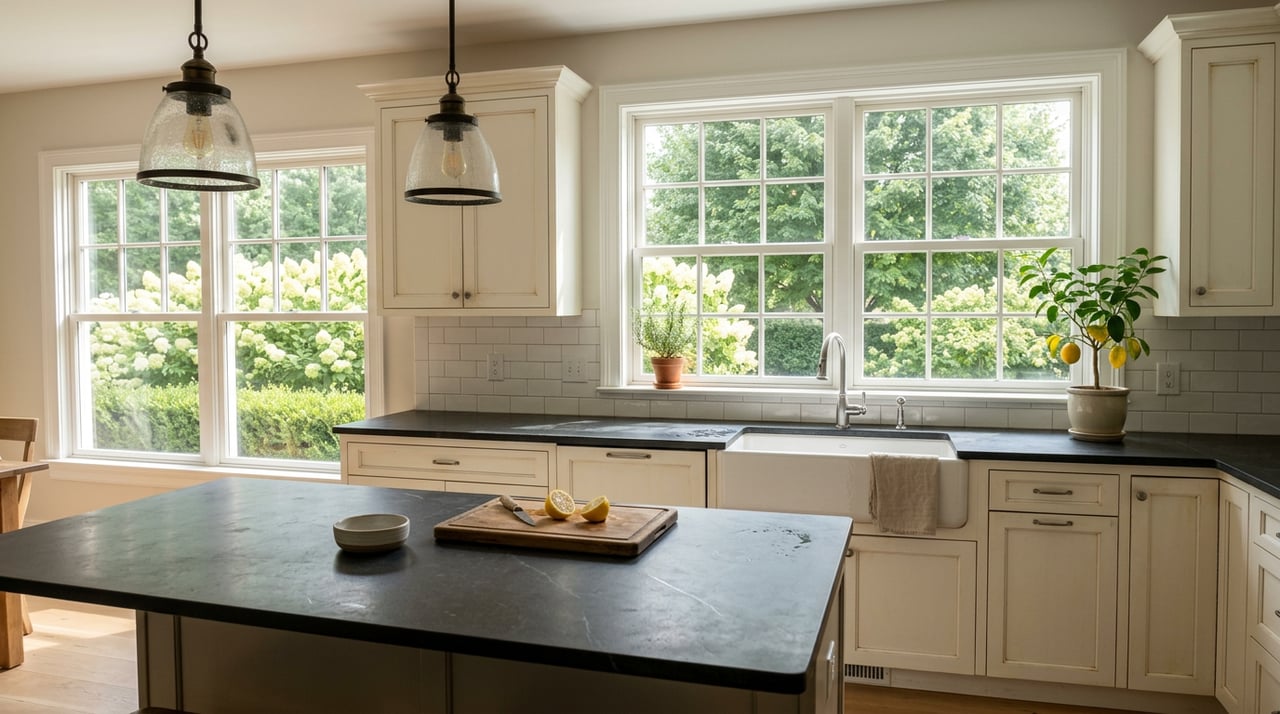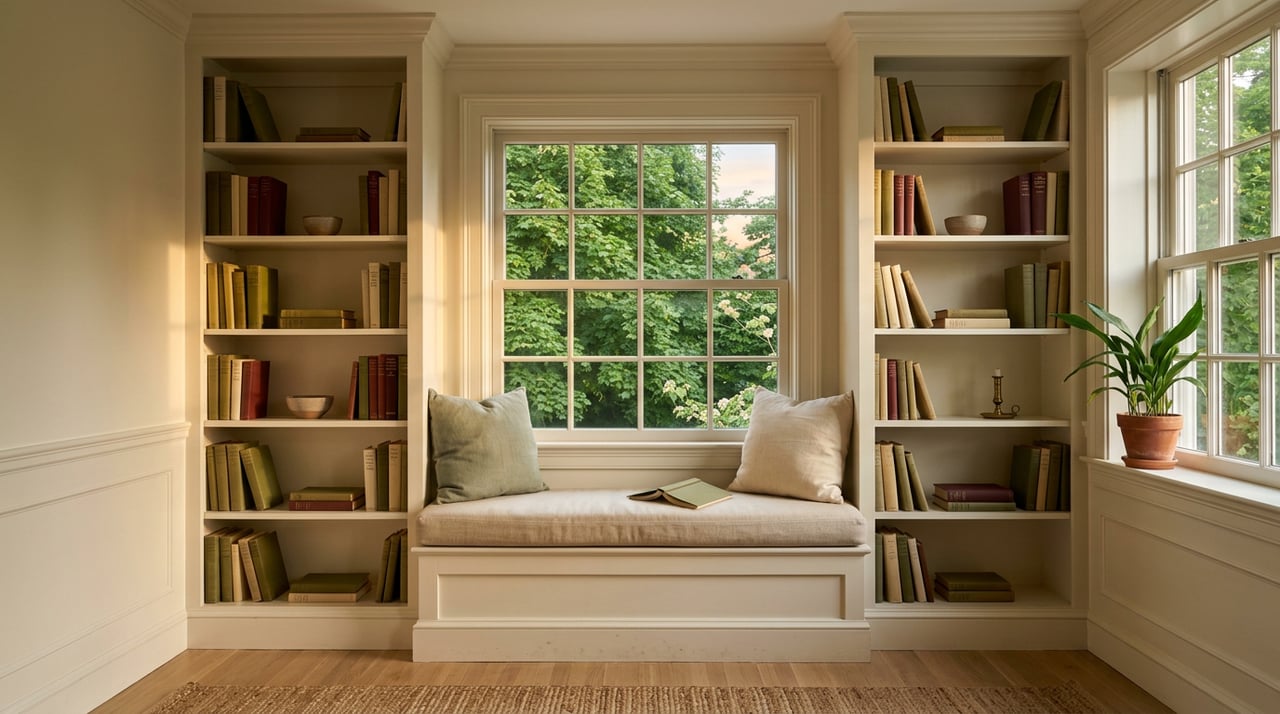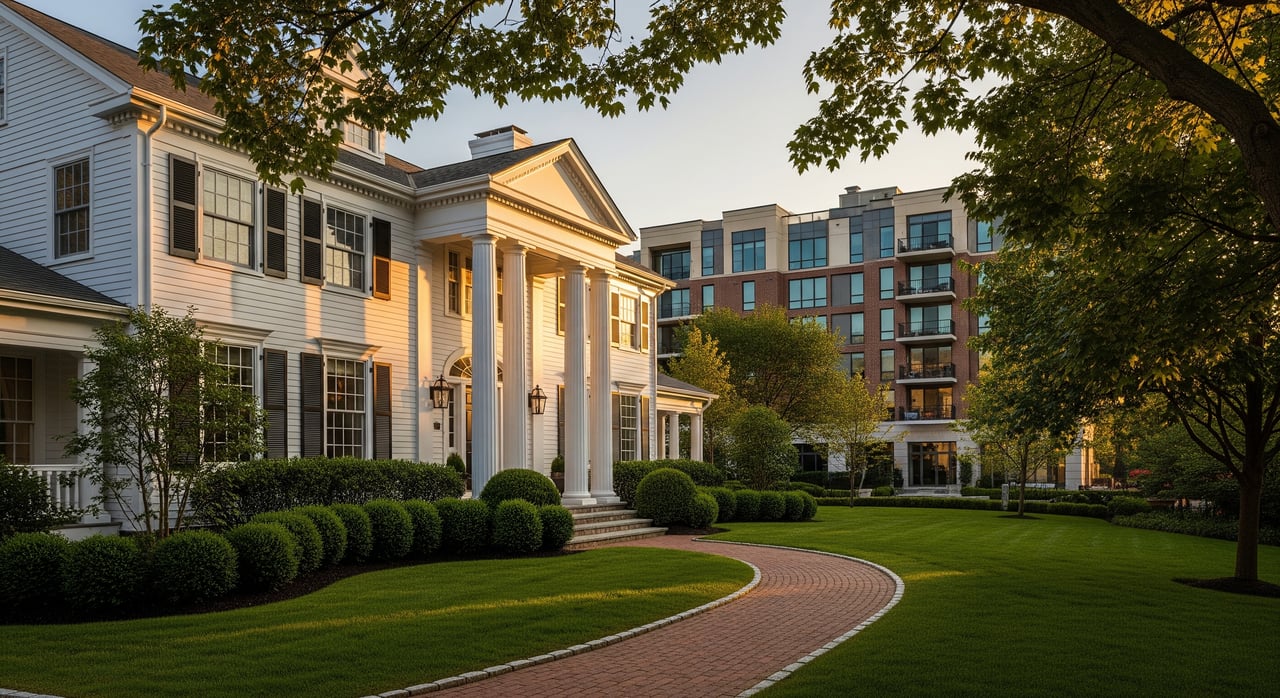
Torn between a single-family home and a condo in Andover? You are not alone. Each option offers real benefits, and the right choice depends on your budget, time, and daily routine. In this guide, you will learn the key tradeoffs, what to check in Andover, and a simple decision framework with a buyer checklist. Let’s dive in.
How Andover shapes your choice
Andover offers a mix of classic single-family neighborhoods and several condo and townhouse communities, especially near downtown and commuter corridors. Inventory levels can differ by property type, which affects competition and pricing power. Before you compare homes, ask your agent for current median prices, days on market, and months of supply for both single-family and condos in Andover.
If you are considering a condo, Massachusetts law matters. Condo communities operate under the Massachusetts Condominium Act, Chapter 183A, which sets rules for master deeds, bylaws, budgets, and owner rights. You should review those documents for any condo you consider. You can read the statute for context in Massachusetts General Laws Chapter 183A.
Local offices also play a role. The Town of Andover’s Planning, Building, and Assessor departments maintain zoning maps, permit records, and assessments. These influence what can be built near you and help you estimate taxes. Lender rules can also affect condos. FHA, VA, Fannie Mae, and Freddie Mac have project eligibility standards that can influence financing terms and resale.
Single-family vs condo: key tradeoffs
Upfront price and purchase costs
- Single-family homes often cost more than condos in the same suburb because of land and private yards. High-end condos can be the exception.
- Closing costs are similar, but condo buyers should plan for lender scrutiny of the association. Project issues can impact appraisals or down payment needs.
Monthly costs and what they include
- Single-family: mortgage, property taxes, homeowners insurance, utilities, and all maintenance. Build a monthly reserve for routine and major repairs.
- Condo: mortgage, property taxes, unit owners insurance, and an HOA fee. Fees usually cover exterior maintenance, the master insurance policy, snow removal, landscaping, and sometimes heat or water. Always confirm the line items.
- What to request: 12 months of HOA financials, the current operating budget, any reserve study, and recent meeting minutes. Look for stable reserves and clear plans for capital projects.
Maintenance and time tradeoffs
- Single-family: you control timing and vendors for roof, siding, driveway, and yard, but you also carry the workload and surprise repairs.
- Condo: the association handles most exterior and common-area work. Your time commitment is lighter, but you share decisions and costs with neighbors and the board.
Privacy, space, and lifestyle
- Single-family: more privacy, yard space, and storage. Better if you want workshops, a fenced area, or flexible floor plans.
- Condo: closer to neighbors and community rules, with potential amenities like a fitness room. Often a strong fit if you value low maintenance and convenience.
Parking and storage
- Single-family: typically a driveway and garage, plus more storage.
- Condo: parking can be deeded, assigned, or by permit. Ask about guest parking and any waitlists. Storage may be limited.
Insurance and risk
- Single-family: one policy covers the structure and contents.
- Condo: the association insures the building shell and common areas. You buy an HO-6 policy for interiors and liability. Confirm how the master policy defines coverage to avoid gaps.
Financing, appraisal, and resale
- Condos must meet lender project standards. High investor ratios, unresolved litigation, or low reserves can limit loan options or raise down payment needs.
- In many suburbs, single-family homes draw a wider buyer pool, which can support liquidity and long-term resale. Condos often appeal to first-time buyers, downsizers, and commuters.
Taxes and special assessments
- The Town of Andover assesses both single-family homes and condo units as individual parcels. Your effective tax cost depends on assessed value.
- Condos can levy special assessments for capital needs. Review reserve adequacy and planned projects so you are not surprised later.
Age of buildings and capital needs
- Condos may be in older garden-style or townhouse communities. Older roofs, siding, and windows can lead to future projects and fee changes.
- Single-family inventory ranges from historic colonials to newer construction. Age and condition drive energy efficiency and near-term repair budgets.
HOA rules and governance
- For condos, bylaws and house rules set policies for pets, exterior changes, rentals, and noise. Strong governance, transparent minutes, and healthy reserves reduce risk.
- Read recent meeting minutes and budgets to spot recurring issues and planned work.
Andover-specific insights
Neighborhood patterns to know
You will find more single-family options in established neighborhoods in West and South Andover and more condo and townhouse choices closer to downtown and transit. If you want a yard and more privacy, you may lean toward areas a bit farther from the rail stop. If you want walkability and a lighter maintenance load, downtown condo communities can be appealing.
Schools and resale demand
Many buyers prioritize proximity to schools and daily convenience. Homes within convenient access to schools and services often see steady demand. If resale is important to you, we can provide you with recent sales in the micro-neighborhoods you like and compare how condos and single-family homes have performed over 3 to 5 years.
Commute and transit
Andover’s commuter rail access and major roads help working professionals. Condos near downtown often trade yard space for proximity and time savings. Single-family homes a bit farther out can offer more land at a similar price point. Decide which commute and lifestyle rhythm fits your week.
Supply and competition
In many Boston suburbs, single-family supply runs tight, while condo availability varies with development cycles. We can give you the latest Andover months of supply and list-to-sale trends for each property type so you can have expectations about competition and negotiation room.
New construction and zoning
Zoning and redevelopment shape where new condos and single-family homes appear. Planning Board agendas and local approvals can signal upcoming inventory that may fit your wish list. If you prefer newer systems and energy efficiency, ask about recently approved projects and their timelines.
A simple decision framework
- Clarify lifestyle must-haves.
- Need a private yard, more storage, workshop space, or a two-car garage? Lean single-family.
- Prefer low maintenance, amenities, and a short walk to downtown or transit? Lean condo.
- Set a total monthly budget.
- For condos, include HOA fees and any utilities they cover.
- For single-family, include a maintenance reserve. A common rule is about 1 percent of home value per year, adjusted for age and condition.
- Compare one of each within your price range.
- Run the full monthly picture: mortgage, taxes, insurance, utilities, HOA, routine upkeep, and major repairs you expect in the next 5 to 10 years.
- Inspect the risk profile.
- Condos: review HOA financials, reserve study, meeting minutes, insurance summary, litigation status, and owner-occupancy ratio.
- Houses: get a thorough inspection, confirm age and condition of roof, HVAC, plumbing, electrical, and estimate near-term replacements.
- Confirm financing early.
- Ask your lender about condo project eligibility, investor concentration limits, and down payment requirements. Confirm likely appraisal comps in your target Andover areas.
- Think resale from day one.
- We can provide 3- and 5-year comps for the specific micro-neighborhood and property type. Consider who your future buyer will be and how deep that pool is.
Buyer checklist
For any property
- Recent comparable sales in Andover for the past 6 to 12 months
- Latest property tax bill and assessment
- Utility cost history if available
- Inspection report or inspection contingency plan
For condos
- Master deed, bylaws, and house rules under Chapter 183A
- Current operating budget and 12 months of financial statements
- Reserve study and status of capital projects
- Minutes from the last 6 to 12 association meetings
- Association insurance summary and coverage definitions
- Any pending litigation or special assessments
- Owner-occupancy ratio and rental policy
For single-family homes
- Professional home inspection and any permits for recent work
- Septic inspection if applicable
- Information on roof, HVAC, windows, and major systems
- Easements, covenants, or zoning restrictions
Red flags to watch
Condo concerns
- Low reserves relative to building age
- Repeated or large special assessments
- Pending litigation or unresolved building issues
- High investor concentration or unclear rental policies
- Inadequate master insurance or unclear coverage boundaries
Single-family concerns
- Deferred replacement of roof, boiler, or major systems
- Structural, foundation, or drainage issues
- Unpermitted additions or undocumented work
- Evidence of water intrusion or chronic maintenance neglect
The bottom line
If you value privacy, storage, and full control, a single-family home likely fits best. If you want a simpler routine and proximity to downtown or transit, a condo can be a smart, predictable choice. In Andover, the right answer comes from matching your lifestyle to the local options and confirming the total monthly cost and risk profile for each property you tour.
Ready to compare real homes side by side and run the numbers? Reach out to one of us! We will help you evaluate both options with current Andover data, HOA diligence, and a clear plan to buy with confidence.
FAQs
What are the main cost differences between an Andover condo and a single-family home?
- Condos add an HOA fee that often covers exterior upkeep and common insurance, while single-family homes have no HOA but require you to budget for all maintenance and larger system replacements.
How do condo rules in Massachusetts affect me as a buyer?
- Condos operate under Chapter 183A, so you should review the master deed, bylaws, rules, budgets, and meeting minutes to understand rights, restrictions, and future costs.
What should I look for in an Andover condo association’s finances?
- Check that reserves match the building’s age and projects, review 12 months of financials and the reserve study, and scan meeting minutes for special assessments or recurring issues.
Is resale typically easier for single-family homes in suburban markets like Andover?
- Single-family homes often draw a broader buyer pool, while condos appeal strongly to first-time buyers, downsizers, and commuters; your micro-neighborhood and property condition matter most.
How do I compare my total monthly cost between two Andover homes?
- Tally mortgage, taxes, insurance, utilities, HOA if any, routine upkeep, and likely major repairs over 5 to 10 years, then compare both options side by side with your agent and lender.