Is your Zestimate telling one story while a local agent says another? You are not alone. When you are getting ready to sell in Wakefield or nearby Middlesex County, accurate pricing can make the difference between multiple offers and weeks on the market. In this guide, you will learn how Zestimates and CMAs work, what matters most in Wakefield, and when to lean on each. Let’s dive in.
What a Zestimate really is
A Zestimate is an automated valuation model that uses algorithms to estimate a home’s value. It pulls data from public records, past listings, tax assessments, and user-submitted home facts. It is fast, free, and consistent across many properties.
That speed comes with tradeoffs. AVMs rely on available data and cannot see your finishes, layout flow, or the quality of your renovations. They can lag just after a sale and often struggle when there are few recent, close comps. In short, a Zestimate is a helpful ballpark, not a pricing strategy.
What a CMA includes
A comparative market analysis is prepared by a local agent who studies recent sales, pending deals, and current competition in your micro-neighborhood. A strong CMA adjusts for square footage, bedrooms and baths, lot features, condition, and recent upgrades. It also layers in on-the-ground insight about buyer demand and seasonal timing.
Because a CMA blends verified data with local judgment, two CMAs can differ. Quality depends on the agent’s comp selection and how they adjust for differences. The upside is precision you can act on, especially when strategy and timing matter.
Why values diverge in Wakefield
Wakefield and nearby Cambridge–Newton–Framingham corridors within Middlesex County include a wide mix of homes and micro-markets. That variety is great for buyers, but it can confuse automated models. Here are the biggest drivers of divergence.
Micro-neighborhoods by lake and rail
Properties near Lake Quannapowitt, downtown, or a short walk to the commuter rail can trade at a premium. AVMs often average these premiums into broader areas. A good CMA isolates lake adjacency, street quiet, and real walking time to transit because these specifics shape buyer demand.
Interior condition and permits
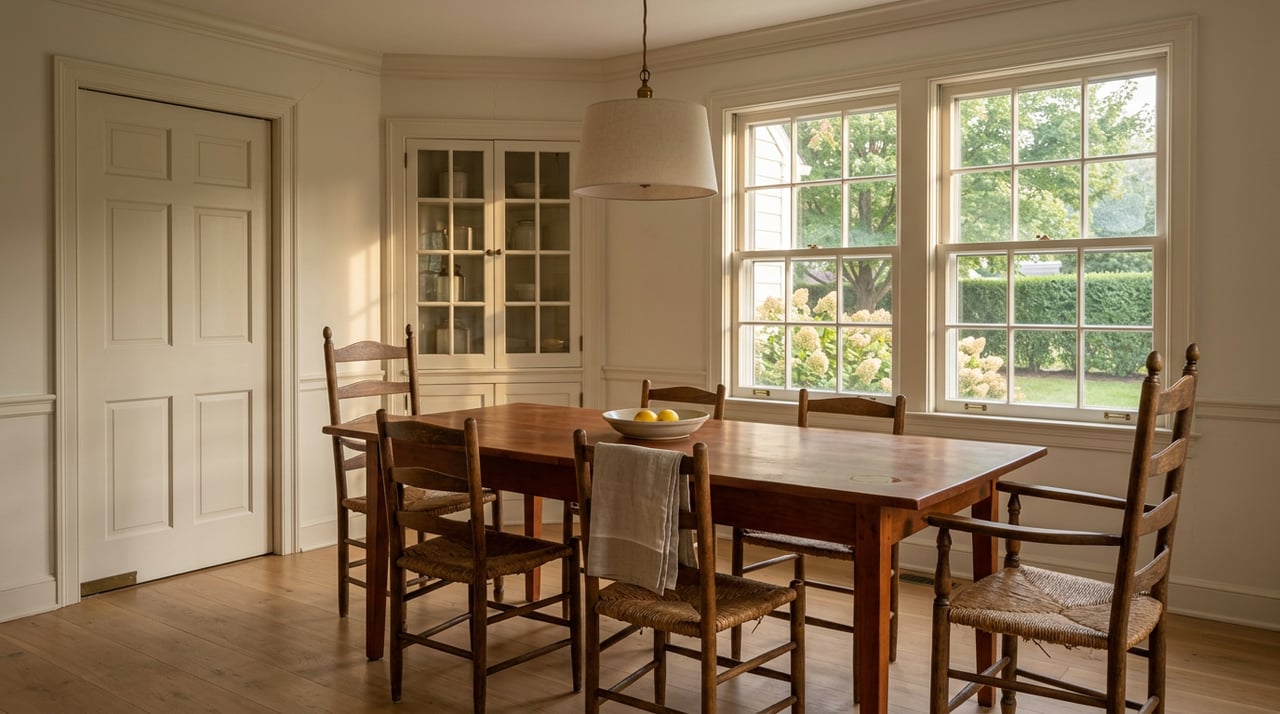
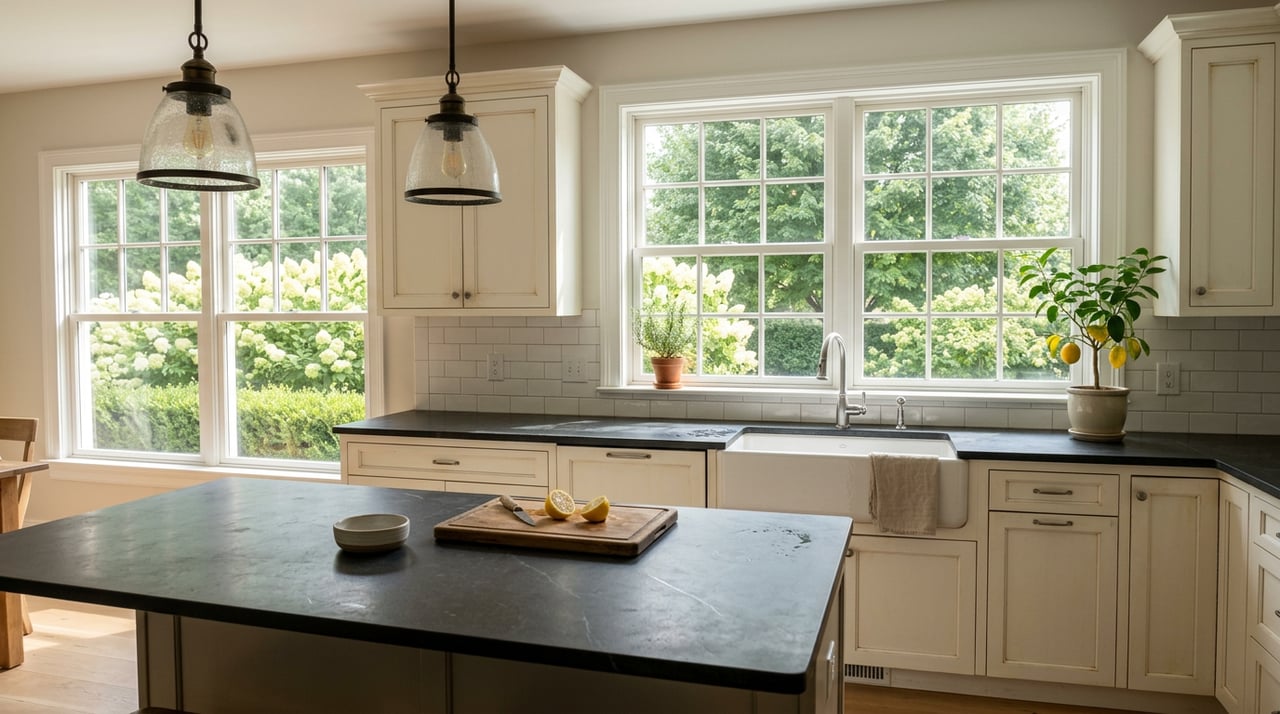
Renovated kitchens and baths, finished basements, new systems, and permitted additions push value. If those updates are not reflected in public records, an AVM can miss them. A CMA based on a walk-through and documentation will price the quality of finishes and confirm whether added space is permitted and counted as living area.
Lot, view, and outdoor space
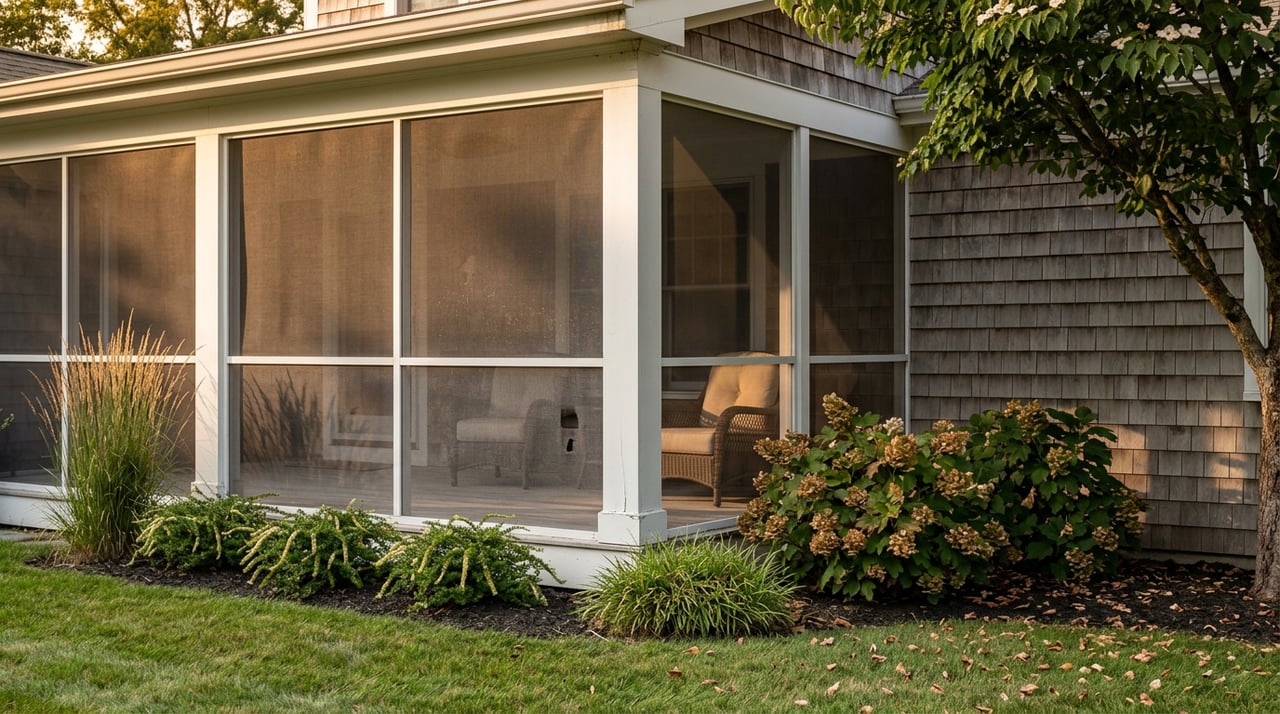
Not all lots with the same square footage live the same. Yard usability, privacy, mature trees, and a deck or patio can add appeal that AVMs struggle to score. A CMA can compare true peers to capture those premiums.
Commuter access and seasonality
A home that is an easy walk to the train can outperform a similar property farther out. Spring demand often rises in Wakefield, and month-to-month mortgage rate shifts can move buyers quickly. AVMs update on a schedule, while a CMA can factor in very recent momentum.
When to use each tool
Both tools have a role. Use them based on your goals and your property’s specifics.
AVM is fine for
- Getting a quick ballpark before an agent visit.
- Typical single-family homes with many recent, nearby comps.
- Areas where several similar homes sold in the last 6 to 12 months.
Choose a CMA when
- Your home is unique or sits near Lake Quannapowitt, downtown, or the commuter rail.
- You have recent upgrades that are not fully captured in public records.
- Your micro-neighborhood has few recent sales or off-market activity.
- You need a pricing strategy for spring, including staging, timing, and buyer targeting.
Real Wakefield scenarios
- Lake cottage near Lake Quannapowitt. An AVM may under-price if it does not isolate lake views or direct water access. A CMA should pull lake-adjacent solds, adjust for the view and access, and factor seasonal demand.
- Downtown home a short walk to the commuter rail. A CMA can assign a premium for walkability that a model might smooth out by averaging nearby streets.
- Renovated Colonial with a permitted second-floor addition. Even if tax records are updated, an AVM may not reflect the quality of finishes. A CMA based on a walk-through better captures buyer willingness to pay.
How to compare estimates the right way
A simple, structured process will help you move from an online ballpark to a listing plan you can trust.
Before you check numbers
- Gather documents. Pull permits, invoices for major work, a property survey, photos, and any recent inspection reports.
- Update your online profiles. Claim your property on major sites and verify facts like beds, baths, and square footage. Accurate inputs reduce data errors.
Use AVMs wisely
- Check more than one source to see a range, not a single number.
- Review the recent sales each AVM shows. Confirm that the homes are truly comparable on size, condition, and location.
- Look up current AVM accuracy disclosures for the Boston metro to understand typical error ranges. Accuracy shifts over time as models change.
Pricing this spring in Middlesex County
Spring often brings more buyers and new listings across Wakefield and the Cambridge–Newton–Framingham corridor. In fast-moving weeks, very recent pendings and price reductions can matter more than older solds. That is where a CMA shines. It blends hyper-local comps with what is happening this month, not last quarter.
If your goal is a stronger launch, pair the CMA with a pre-listing inspection to prevent surprises, and weigh targeted improvements like paint, lighting, or light staging. The best price is not only a number. It is a strategy that sets the stage for strong photos, busy open houses, and clean offers.
A quick seller checklist
- Confirm facts. Beds, baths, living area, lot size, and permits.
- Document upgrades. Keep receipts and dates for roofs, HVAC, windows, kitchens, and baths.
- Compare AVMs. Note the range, not just the average.
- Book an on-site CMA. We are happy to walk through, discuss buyer profiles, and align strategy.
Work with a local team
You deserve advice that turns numbers into a clear plan. Led by Janice Sullivan, our boutique team pairs four decades of experience with marketing that moves the needle. We provide listing preparation, professional staging and photography, 3D tours, portal syndication, and steady guidance from first walk-through to closing.
If you want a precise, locally informed price and a launch plan built for today’s Wakefield market, connect with us today. We will prepare a free, no-pressure CMA and a step-by-step path to a strong result.
FAQs
What is the key difference between a CMA and a Zestimate?
- A Zestimate is an automated estimate from public data, while a CMA is a tailored valuation by a local agent who adjusts for condition, location nuances, and current demand.
When should Wakefield sellers rely on a CMA?
- Choose a CMA when your home is unique, has recent upgrades, sits near the lake or commuter rail, or when you need precise pricing and timing for a spring listing.
Can updating my home’s facts change the Zestimate?
- Claiming your property and correcting facts like beds, baths, and square footage can improve inputs, but it does not guarantee a specific value change.
Why do AVMs miss lake or transit premiums in Wakefield?
- AVMs often smooth micro-neighborhood differences, while a CMA isolates details like views, walk time, and street characteristics that buyers value.
Should I get more than one CMA before listing?
- Yes. Two or three CMAs from experienced local agents can reveal a reasonable range and clarify how different comp choices affect your price.