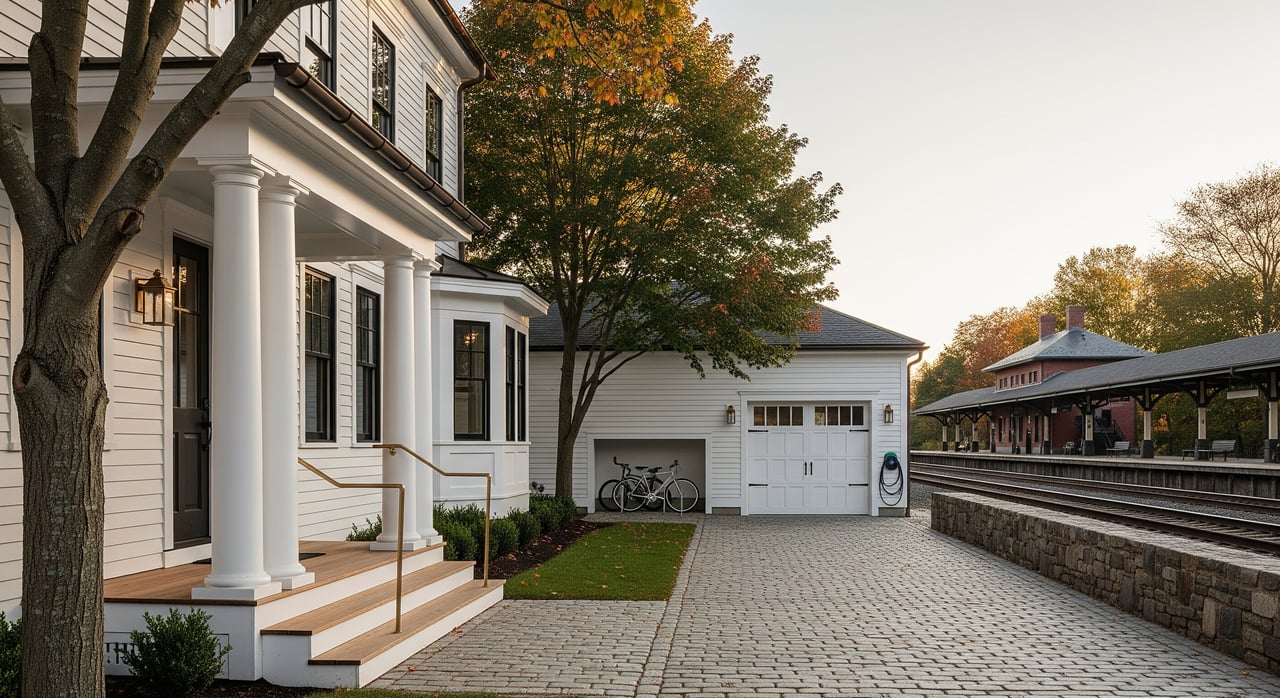
Rushing to make an early train is stressful. If you are weighing a move to Reading so you can ride the commuter rail to Boston, the streets, schedules, and station setup around Reading Station matter. This guide walks you through what to expect from the commute, how parking and permits work, what a 10–15 minute walk really covers, and the types of homes you will find nearby. You will also get practical tests to run before you buy. Let’s dive in.
Reading to Boston: what the commute looks like
Service pattern snapshot
Commuter rail service is schedule driven. You will see more inbound trains during weekday mornings and more outbound trains in the evenings. Off-peak and weekend service is typically less frequent. Review the latest MBTA Haverhill Line timetable to confirm first and last trains, inbound and outbound peak headways, and any express or local patterns. You can find current schedules on the MBTA’s Haverhill Line page by checking the most recent timetable and stop times.
- Check the latest MBTA Haverhill Line timetable for current departure options and stop patterns. Review the MBTA Haverhill Line schedule.
- Confirm any construction or weekend work that could change your ride. See MBTA service advisories.
Travel time and reliability
Typical ride times to North Station vary based on the time of day and whether your train makes local stops. Build in a buffer for walking and platform time, especially if you connect to the subway at North Station. For the most accurate picture, sample your specific trains on a weekday you would normally commute and note total door-to-desk time. Always recheck the schedule before big meetings or early flights.
Reverse and off-peak trips
If you commute at nonstandard hours or have a reverse commute, study off-peak frequency. Off-peak trains often run less frequently, which can affect late returns or midday trips. If you work hybrid, confirm that the schedule aligns with your in-office days so you are not stuck with long gaps between trains.
Parking and permits near Reading Station
MBTA lot basics
If you plan to drive to the station, check MBTA’s parking page for daily rates, payment methods, and any monthly permit options. Capacity and demand can vary, and some lots fill early on weekdays. If you prefer predictability, living within walking distance can save you from the morning parking scramble. For current policies and lot details, start with MBTA parking information.
Town rules for nearby streets
Beyond MBTA lots, local rules matter. The Town of Reading controls on-street time limits, resident permit programs, overnight policies, and municipal lot rules. These can change by season and street. Before you buy, review the town’s current parking and permit guidance and ask about enforcement hours and eligibility. Begin your search at the Town of Reading website, then contact the appropriate department for the most up-to-date details.
Practical tips if you plan to drive
- Test arrival time: arrive on a weekday at your normal commute hour to see real-world lot availability.
- Have a Plan B: identify a second lot or a safe drop-off zone if the lot is full.
- Confirm rules: ask the town about resident permits, guest passes, and overnight parking before you finalize an offer.
Walkability in a 10–15 minute radius
What a 10–15 minute walk covers
A 10-minute walk typically covers about 0.5 mile at an average pace. A 15-minute walk is roughly 0.75 mile. Within this area, you will find a mix of Reading’s downtown shops and nearby residential streets. Use Google Maps walking directions to trace the actual sidewalks and crossings from a home to Reading Station, then time it at the hours you would use it.
Key walking routes and barriers
The downtown and Main Street corridor offers straightforward access to food, coffee, and services that pair well with commute stops. Residential side streets often provide the shortest, most pleasant walking routes. Pay attention to any barriers that add time, such as a major arterial crossing or a sidewalk gap that forces a detour. If you will be walking in the dark during winter months, note lighting and crossing signals along your route.
Everyday errands on foot
Walkability can make daily life easier, especially if you can pair errands with your commute. Look for nearby cafes, pharmacies, banks, and quick-service food along your path to the station. Tools like Walk Score offer a quick snapshot of how many errands you can do on foot from a specific address, but always verify at street level.
Biking to the train
If biking is part of your commute, confirm whether the station offers bike racks and how you will lock up. Review possible bike routes to the station and test them at rush hour to check traffic patterns. For current station amenities, consult the MBTA station information and timetable pages when planning your ride.
Homes within walking distance: what to expect
Common home types
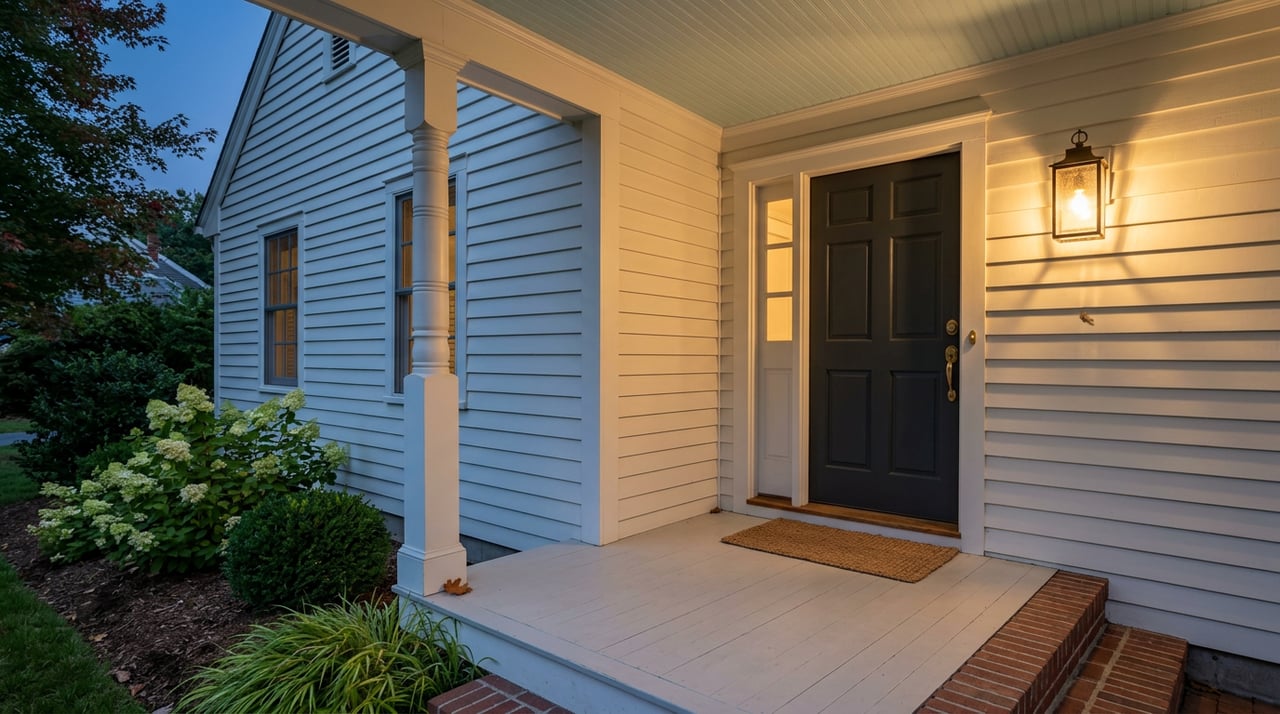
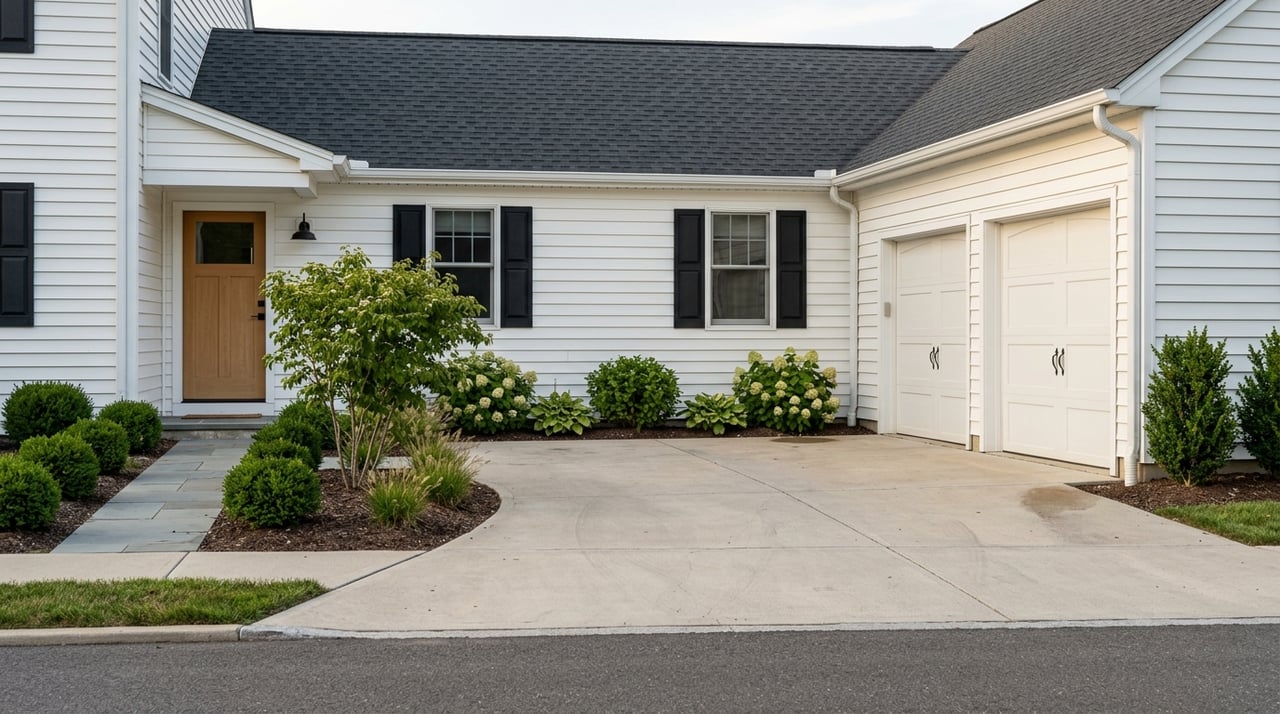
Within a 10–15 minute walk of Reading Station, you will see a mix of housing. Many streets feature single-family homes, including colonials, capes, and some ranches. Closer to downtown and the station, you will also find small multi-family buildings, condo units, and some townhouse or small condo communities. Lots tend to be smaller than in outlying neighborhoods, which suits buyers who prefer lower yard maintenance and a shorter walk.
Age and character
Expect a range of ages and styles near the center, from early and mid-20th-century homes to some older Victorian-era properties, plus postwar homes and selective infill. Interiors often reflect renovations over time, even when exteriors keep their original character. If you plan a remodel, ask about any local historic review requirements by contacting the town and checking with the relevant boards on Reading’s official site.
Market patterns
Homes within a comfortable walk to the station often draw strong interest. These properties can see tighter inventory and faster turnover because the commute trade-off is compelling. Many buyers accept a smaller lot or less square footage in exchange for walkable access to the train and downtown. Review recent comparable sales with your agent to understand any local premium attached to walkable locations.
Lifestyle trade-offs to weigh
- Convenience vs. cost: Closer-in homes may command a premium and may have smaller yards, but they reduce drive time and daily parking worries.
- Noise and vibration: Proximity to rail lines can bring noise, particularly during early morning or late evening service. Window upgrades and interior layout can help.
- Parking and guests: On-street limits and permit rules can affect day-to-day car use and weekend hosting. Confirm what is allowed on your block.
- Sidewalks and crossings: A home can be nearby on a map but less convenient in practice if you face detours, steep grades, or challenging crossings.
- Service reliability: If you work off-peak hours, confirm frequency and connection timing so your commute is reliable on the days that matter most.
Try before you buy: a commuter’s field test
Run your door-to-desk test
- Pick two weekday mornings that match your schedule. Walk to the station, ride to North Station, and time your transfer to the T or a short walk to your office.
- Repeat in the evening to gauge wait times and platform crowding.
- Track total door-to-desk time both ways to see how it fits your routine.
Check parking reality
- Visit the station on a weekday at your planned arrival time.
- Note when lots fill, whether permits are used, and how payment works. Confirm details on MBTA parking.
- Ask the town how on-street rules are enforced near your prospective block.
Do a noise and crossing audit
- Visit the home during early morning and evening trains. Use a smartphone sound meter for a rough, relative comparison.
- Walk your route to the station. Note sidewalk condition, crosswalks, and signal timing.
Visit at different times
- Check weekday rush, a midday errand run, and a weekend morning.
- Observe traffic, parking turnover, and downtown activity.
Questions to ask us and the town
- Is the property within a residential parking permit zone, and how are permits issued? What are the costs and enforcement hours?
- Are there zoning overlays or historic review considerations that could affect future renovations?
- Does the MBTA lot offer monthly permits, and is there a waitlist? How does daily parking payment work? See MBTA parking information.
- Are any MBTA service projects or local construction plans expected that could affect schedules or create short-term noise? Monitor MBTA service advisories.
How we help
Buying near Reading Station is about more than a short walk. It is about getting a commute that fits your life and a home that suits your day-to-day routine. Our team helps you evaluate door-to-desk time, walkability, parking realities, and home options within your target radius. We guide you through comparable sales so you understand any local premium for walkable locations, and we structure offers that balance convenience and value.
If you are planning a move, we can map your walk shed, time sample commutes, and target homes that match your lifestyle. If you are thinking about selling near the station, we will position your property to reach Boston-bound buyers who value convenience. Ready to talk next steps? Contact one of our team members to get started.
FAQs
How long is the ride from Reading Station to North Station?
- Travel time varies by time of day and stop pattern. Check the latest inbound timetable and sample your likely trains using the MBTA Haverhill Line schedule, then test your complete door-to-desk route.
Is parking available at Reading Station and do I need a permit?
- MBTA-managed lots have specific fees and rules that can include daily parking and, in some locations, permits. Review current details on MBTA parking and confirm any on-street or municipal lot rules with the Town of Reading.
What types of homes are within a 10–15 minute walk of the station?
- Expect many single-family homes (colonials, capes, ranches), plus small multi-family and condo options closer to downtown. Lots are often smaller compared to outlying neighborhoods.
Is living close to the tracks noisy?
- It can be, depending on distance and service hours. Visit at peak times, use a sound meter for comparison, and check for noise-reducing features such as double-pane windows.
Are there safe walking routes from nearby neighborhoods to the station?
- Downtown and Main Street corridors often offer direct access, while side streets can provide quieter routes. Walk your path at commute times to evaluate sidewalks, crosswalks, lighting, and any detours.
Do walkable homes near the station cost more?
- Walkable homes often carry a convenience premium and may sell faster. We can review recent comparables to understand current pricing and days on market.
Where can I find official data on housing and land use?
- For broader context on housing types and density, consult the U.S. Census American Community Survey and statewide mapping resources at MassGIS.