If you’re picturing a classic New England coastal town with harbors, historic streets, and a rhythm that changes with the seasons, Marblehead likely belongs on your list. You may be wondering what everyday life actually feels like here, beyond the postcards and weekend visits. This guide walks you through what to expect from living in Marblehead, MA, from housing and commuting to beaches, boating, and the town’s year-round character. Let’s dive in.
Why Marblehead Stands Out
Marblehead is a compact coastal town of 19,808 residents located about 18 miles north of Boston. It sits on roughly 4.33 square miles of land, which helps explain why the town often feels close-knit and easy to navigate. Its peninsula setting, narrow streets, and historic building stock give it a distinct identity that feels different from many surrounding communities.
The town is also largely built out. According to Marblehead’s 2025 housing plan, about 70 percent of local land use is residential, and most new housing comes through infill, redevelopment, or teardowns rather than large new subdivisions. If you are moving here, that often means you are shopping in an existing-home market with plenty of character and limited room for large-scale new construction.
Coastal Lifestyle in Marblehead
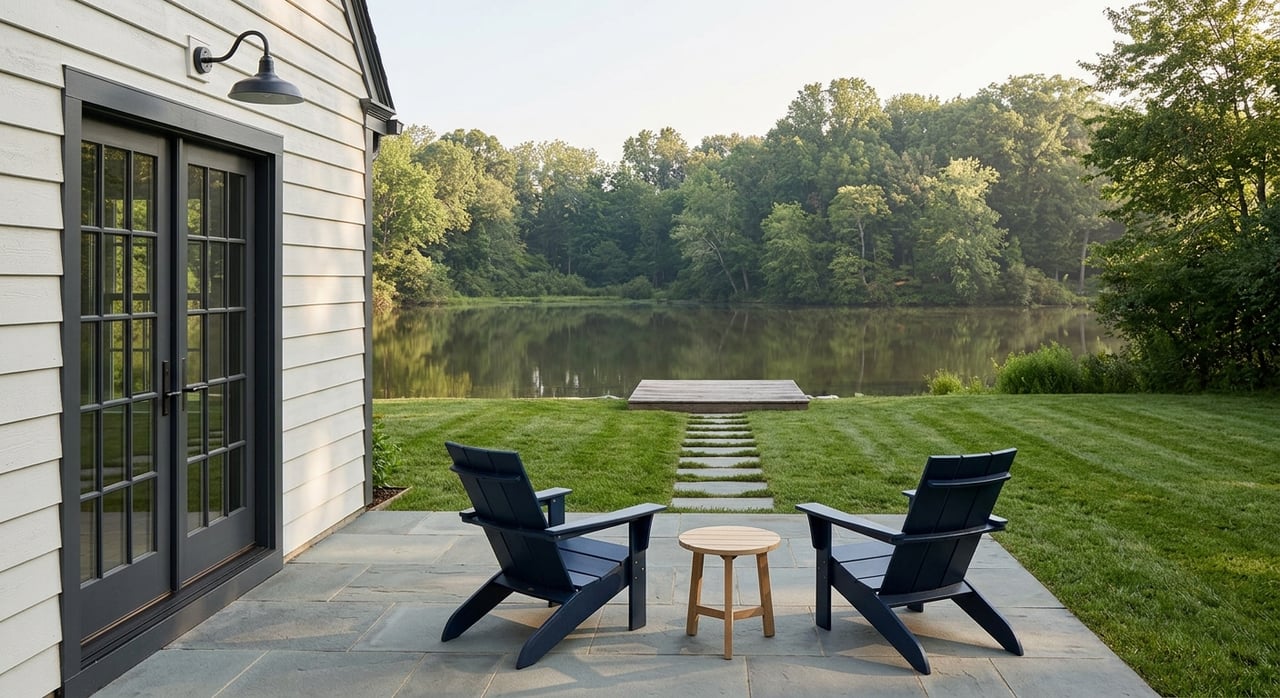
Harbor life is part of daily living
Marblehead’s maritime identity is more than branding. Town history materials describe three harbors: Marblehead Harbor, Little Harbor, and Salem Harbor. The Harbormaster also notes that local waters are among the busiest harbor complexes in New England.
That setting shapes everyday life in visible ways. You will notice boats, waterfront activity, and harbor views woven into the town experience, especially in warmer months. Even if you are not a boater, the water is a steady presence in how Marblehead looks and feels.
Boating access comes with rules
If boating is part of your plan, it helps to know that access is regulated. The Harbormaster requires permits for mooring and anchoring, and temporary moorings must be requested each year. The town also notes that mooring permits are limited and often involve a long wait.
For visiting boaters, Tucker’s Wharf offers transient dockage and amenities. There are also public landings in town. In practical terms, boating can absolutely be part of life here, but it is wise to treat access as a process rather than an assumption.
Beaches support an outdoor routine
Beach access is another everyday advantage of living in Marblehead. The town identifies Devereux Beach as its premier beach and notes amenities such as seasonal parking, resident facility stickers, picnic areas, restrooms, and kayak rentals. Riverhead Beach includes a boat ramp, while Grace Oliver Beach is smaller and more sheltered.
Gas House and Stramski’s add to the local mix of waterfront spots. The town also notes that water quality is monitored through the state dashboard at some beaches. If you like the idea of fitting in quick beach visits, walks by the water, or casual summer routines, Marblehead offers several options within a small geographic area.
Walkability and Old Town Character
Historic streets shape the experience
One of Marblehead’s most distinctive features is its street pattern. The town describes 18 public ways that remain open for public use, including foot-traffic-only paths such as Lookout Court and Prospect Alley. Eight are in downtown Marblehead and ten are on Marblehead Neck.
These public ways do more than connect points on a map. They create shortcuts, harbor views, and a sense of discovery that supports the town’s intimate feel. If you enjoy walking and exploring places with layers of history, this part of Marblehead can be especially appealing.
Compact living has tradeoffs
That same charm comes with practical considerations. Narrow streets and an older layout can feel very different from newer suburban neighborhoods with wider roads and more uniform lots. Buyers who love the setting often find the tradeoff worthwhile, but it helps to go in with clear expectations.
Seasonal parking pressure is another factor to keep in mind, especially near beach areas. In a built-out coastal town, convenience and character often exist side by side with tighter infrastructure. Marblehead’s appeal is strongest for people who value place and atmosphere enough to accept those tradeoffs.
Seasonal Rhythm and Community Events
Summer is especially active
Marblehead’s calendar picks up noticeably in summer. The Marblehead Festival of Arts is held over Independence Day weekend and includes art exhibits, concerts at Crocker Park, road races, and a street festival in Old Town. The annual Fourth of July fireworks and harbor illumination also add to the town’s waterfront energy.
If you enjoy living in a place where seasonal traditions feel visible and shared, Marblehead delivers that experience. Summer tends to bring more activity, more visitors, and more use of public spaces. For many residents, that is part of the appeal.
Community traditions continue beyond summer
The town’s energy does not stop after beach season. A 2025 town police notice described annual traditions including the Christmas Tree Lighting, Santa’s Arrival, and Santa’s Parade. The town event calendar also includes a Memorial Day Parade.
That year-round event pattern helps Marblehead feel like more than a seasonal destination. It supports a sense of continuity through different parts of the year. If you are looking for a town with established civic traditions, Marblehead has a well-defined rhythm.
Commuting From Marblehead
Public transit is available
Marblehead does not have a commuter rail station within town, but regional access is still workable. The 2025 housing plan says Pleasant Street bus service is good and well utilized, with the 441 and 442 buses running frequently and connecting into Boston MBTA service.
For some buyers, that bus access can make a meaningful difference in the daily commute. It is especially useful if you want options beyond driving. As always, your actual commute will depend on schedule, destination, and how close you live to service.
Rail and road connections support regional access
The closest commuter rail stations are about three miles away in Swampscott and four miles away in Salem. Salem is served by the MBTA Newburyport/Rockport commuter rail line and also has a seasonal ferry to downtown Boston. For drivers, the town’s housing plan points to Route 1A/U.S. 1 and Route 128 as key regional links.
That means Marblehead can work well for buyers who want a coastal setting without giving up access to the broader North Shore and Boston area. The commute is not as simple as stepping onto a train in town, but it is manageable for many residents. It helps to think of Marblehead as a coastal town with regional connections rather than a transit-centered community.
Marblehead Housing Styles
Historic homes define much of the market
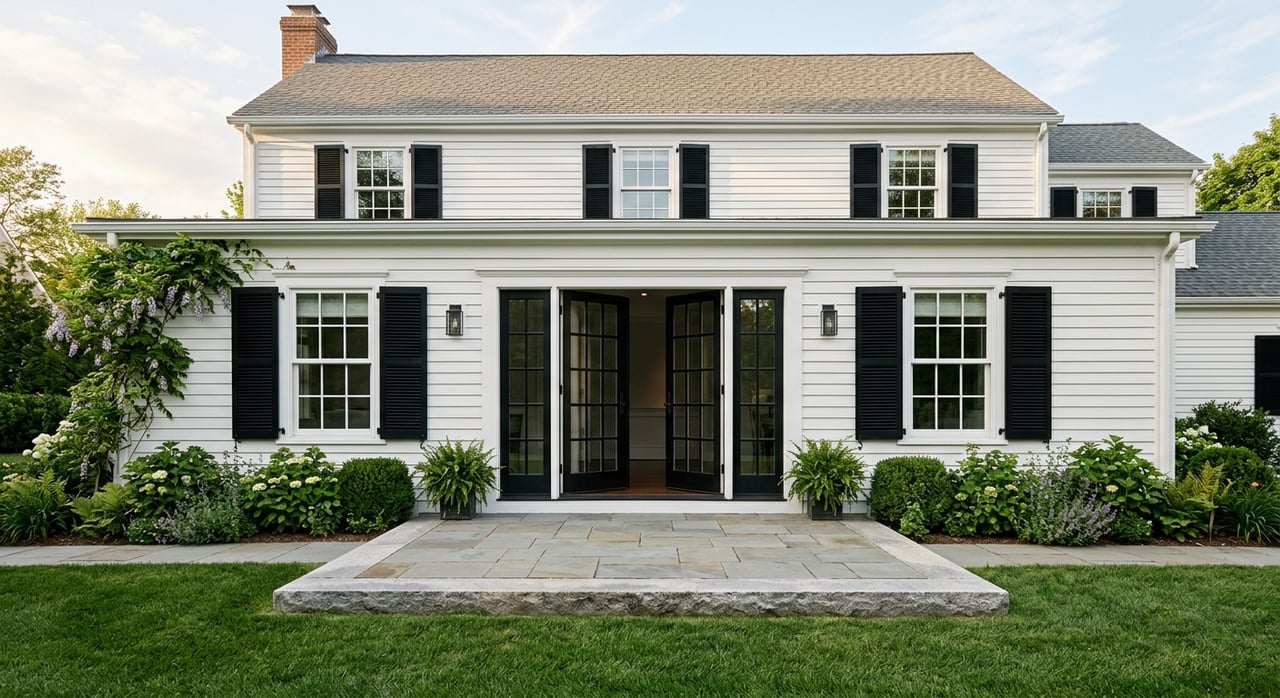
Marblehead’s housing stock is strongly influenced by its age and preservation history. The Historical Commission says the National Register Historic District is one of the largest contiguous colonial districts in the country. National Park Service records for the district identify Georgian and Federal as the primary architectural styles.
Town preservation documents say the local and national historic districts include more than 200 houses built before 1775 and more than 800 built before 1840. For buyers, that often translates to homes with architectural detail, historic context, and a strong sense of place. It also means the housing stock can feel very different from nearby communities with larger shares of newer construction.
Other neighborhoods broaden the mix
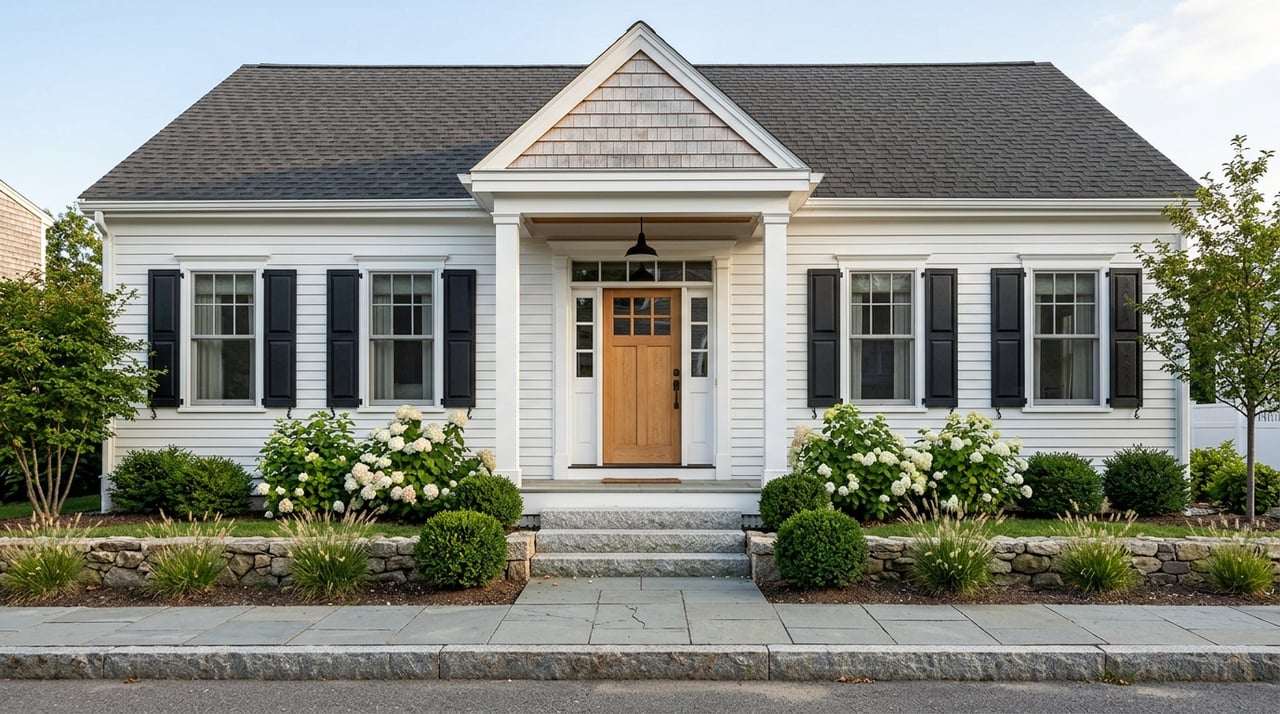
Outside the oldest parts of town, the housing mix expands. A Historical Commission survey of Clifton Heights found resort-era and early suburban homes that include Queen Anne, Shingle, Colonial Revival, Cape Cod, Tudor, Craftsman, ranch, and split-level styles. That gives buyers more variety than they might expect if they only know Marblehead through Old Town.
This range can be helpful if you want the Marblehead lifestyle but prefer a home style outside the earliest historic core. It also means your home search may vary a lot depending on which part of town you focus on. In a compact community, small geographic shifts can create very different housing options.
Historic district rules matter
If you are considering a home in one of the historic districts, renovation plans deserve extra attention. The town states that the Old & Historic Districts Commission must approve many visible exterior changes in those areas. That can affect how you plan updates, repairs, and design decisions.
For some buyers, those rules are part of what protects Marblehead’s character. For others, they require a little more planning and patience. Either way, it is an important part of understanding what ownership may look like before you buy.
Who Marblehead May Suit Best
Marblehead often fits buyers and downsizers who want a compact coastal town with harbor access, walkable history, and a busy seasonal calendar. It can be especially attractive if you value older homes, established neighborhoods, and a setting with a strong identity. The town’s scale makes many daily experiences feel close at hand, from beaches to waterfront views to community events.
At the same time, it helps to be comfortable with an existing-home market, tighter streets, seasonal parking pressures, and added rules around some waterfront and historic-district properties. In other words, Marblehead tends to reward buyers who want character and location more than brand-new convenience. If that sounds like your priority list, it may be a strong match.
If you are comparing North Shore communities and want clear, practical guidance on where Marblehead fits, The Sullivan Realty Group can help you evaluate your options with local insight and a straightforward approach.
FAQs
What is everyday life like in Marblehead, MA?
- Everyday life in Marblehead centers on a compact coastal setting, with easy access to harbors, beaches, historic streets, and seasonal community events.
Is Marblehead, MA good for boating?
- Marblehead has a strong boating culture, but mooring and anchoring are regulated, permits are required, and mooring access is limited and often involves a wait.
Are there beaches in Marblehead, MA?
- Yes. The town highlights Devereux Beach, Riverhead Beach, Grace Oliver Beach, Gas House, and Stramski’s as local beach and waterfront options.
How do you commute from Marblehead, MA?
- Marblehead has frequent bus service on the 441 and 442 routes, while the nearest commuter rail stations are in Swampscott and Salem.
What kinds of homes are common in Marblehead, MA?
- Marblehead includes many historic homes, especially Georgian and Federal styles, along with Queen Anne, Shingle, Colonial Revival, Cape Cod, Tudor, Craftsman, ranch, and split-level homes in other areas.
Are there historic district rules in Marblehead, MA?
- Yes. In the historic districts, many visible exterior changes require approval from the Old & Historic Districts Commission.