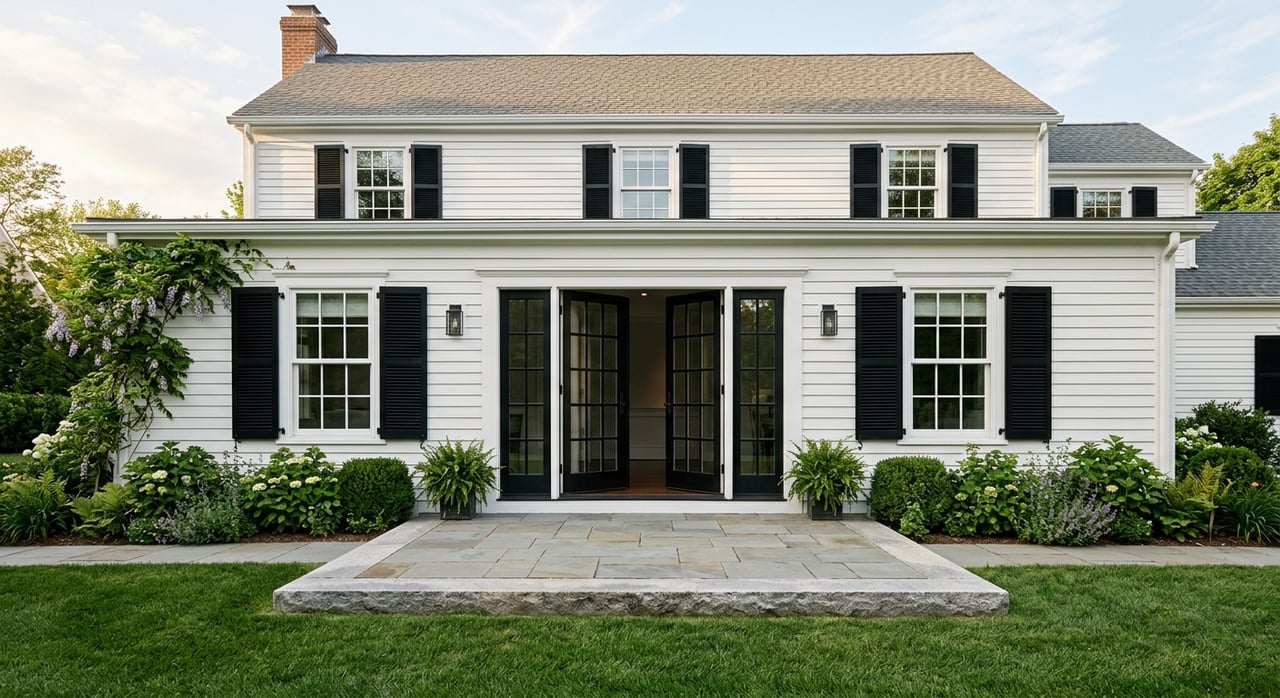
Trying to choose between a single-family home and a townhome in Lynnfield? It is a smart question, especially in a town where detached homes still dominate the housing landscape and prices can vary widely. If you want a clearer way to weigh privacy, upkeep, monthly costs, and resale considerations, this guide will help you sort through the tradeoffs. Let’s dive in.
Lynnfield Housing at a Glance
Lynnfield is still largely a single-family home market. The town’s planning documents report that 81.04% of housing units were single-family, and Census QuickFacts shows an 86.5% owner-occupied housing rate for 2019 to 2023. That gives you important context right away, because your options in Lynnfield are not evenly distributed across housing types.
The town also has a low-density feel. Lynnfield’s open-space plan states that 37% of the town is open space and notes pressure on the remaining undeveloped residential and commercial lots. In practical terms, that supports the lot-oriented character many buyers expect when they start looking here.
Price is another part of the decision. Depending on the source and metric, Lynnfield's home values vary: Census QuickFacts puts the median value of owner-occupied homes at $904,200, Zillow’s home value index at $1,102,757, and Redfin’s March 2026 median sale price at $817,500. The takeaway is simple: this is a high-price market, so choosing the right property type matters.
Why Many Buyers Choose Single-Family
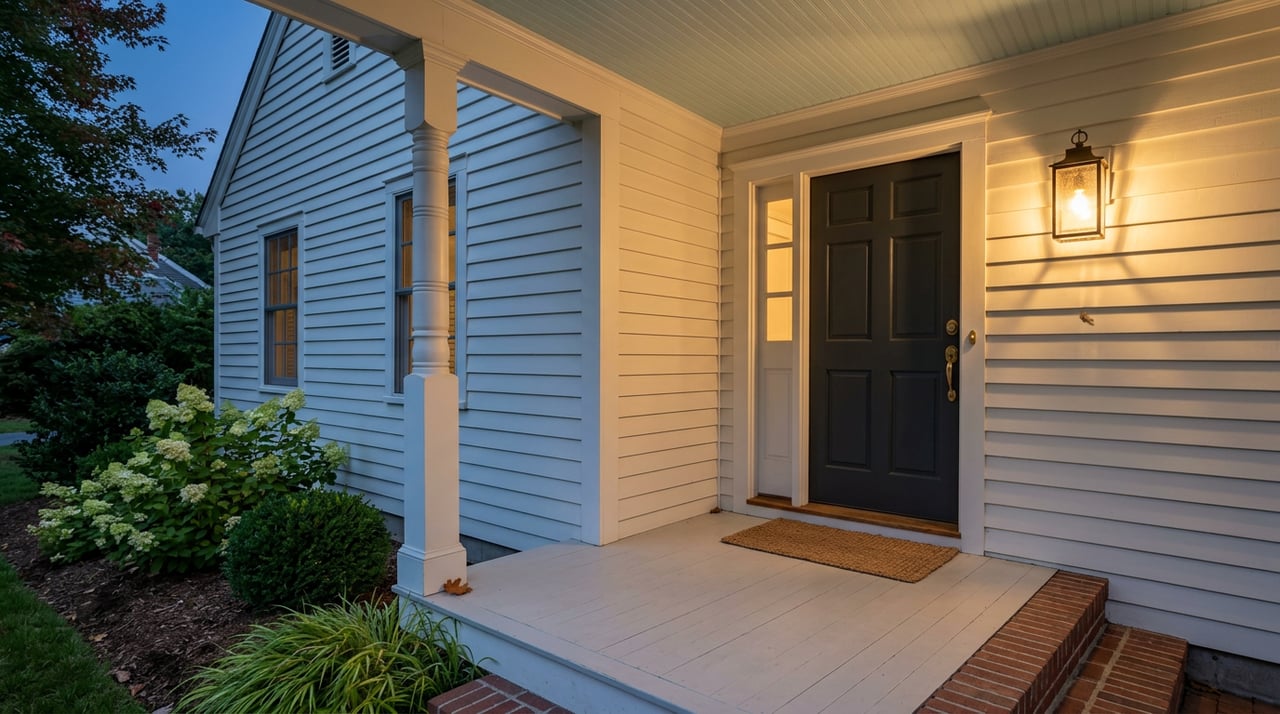
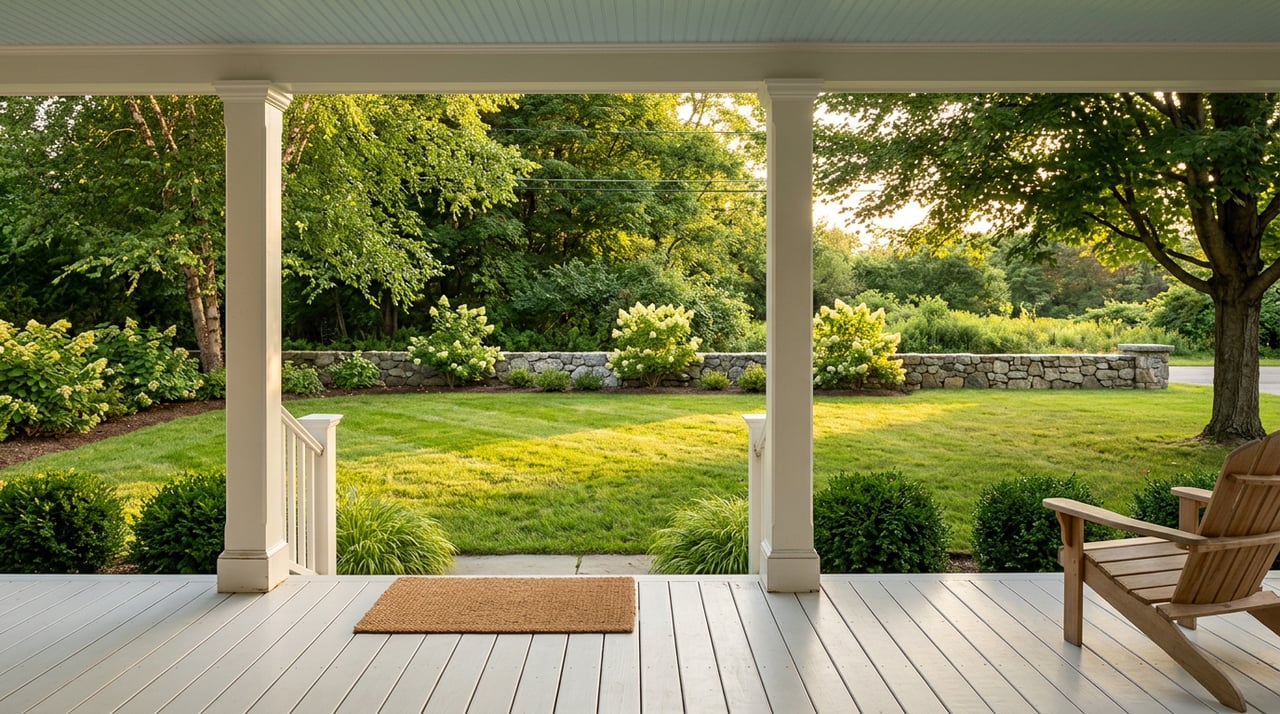
If privacy and space are high on your list, a single-family home will often feel like the more natural fit in Lynnfield. Detached homes generally offer more separation from neighbors, more yard space, and fewer shared-wall concerns. In a town where most housing is already single-family, that preference lines up with the local housing pattern.
Single-family homes in Lynnfield also span a broad price range. Current examples include a 2-bedroom, 3-bath home at $789,000 along with several listings in the multi-million-dollar range. That means “single-family” does not describe a single price point or a single standard lifestyle.
You may also prefer the control that comes with a detached property. If you want to decide when to repair the exterior, update the landscaping, or make other property decisions without having to follow association rules, single-family ownership can be appealing. For many buyers, that flexibility is a major advantage.
Single-Family Tradeoffs to Expect
More control usually means more responsibility. With a detached home, you are typically handling exterior upkeep, major repairs, and long-term capital projects yourself.
That can include items like:
- Roof repair or replacement
- Siding or exterior paint maintenance
- Driveway and walkway upkeep
- Yard care and landscaping
- Snow removal and seasonal maintenance
If you like having direct control, that may not feel like a downside. But if you want a simpler ownership experience, it is worth being honest about the time and cost involved.
Why a Townhome Could Make Sense
Townhomes and condos make up a much smaller share of Lynnfield’s market. At the time referenced in the research, there was only one townhome listed in Lynnfield listed at $529,900 with $724 in monthly HOA dues. So if you are focused on attached housing, you may have fewer choices to compare.
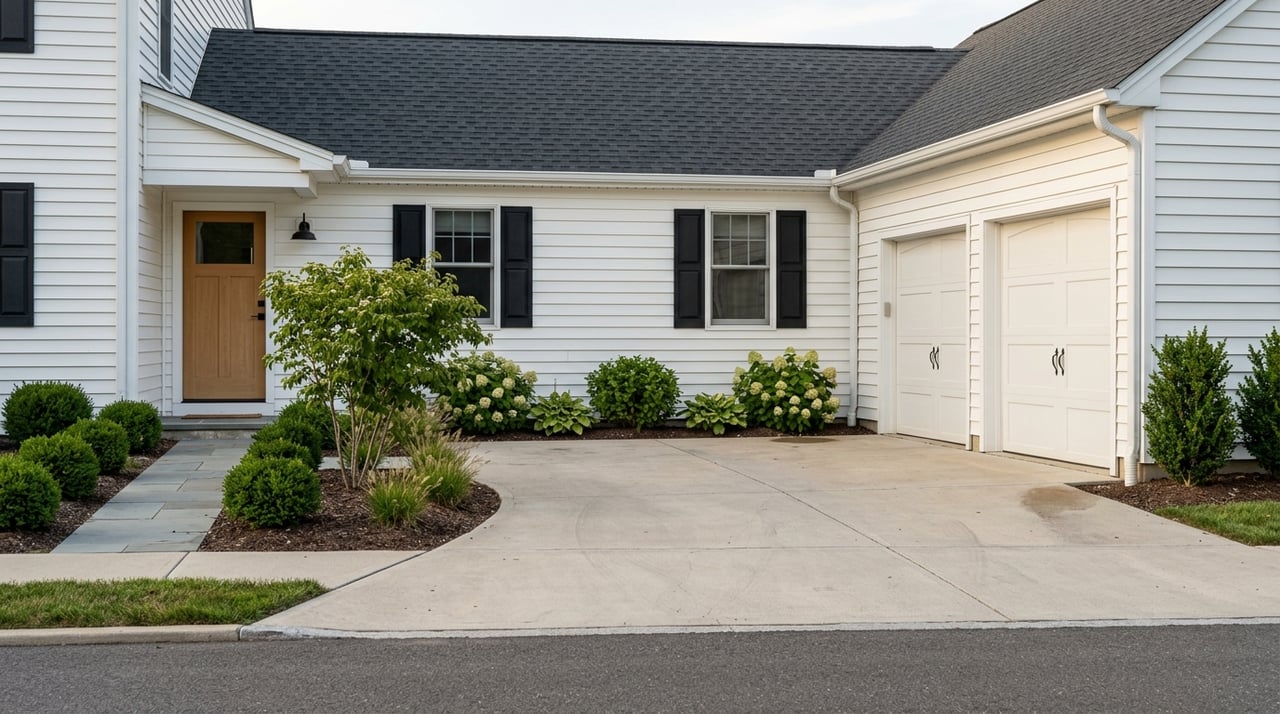
Still, a townhome can solve the right problem for the right buyer. If you want less direct responsibility for exterior upkeep, attached housing may offer a more manageable option. Condo and townhome ownership often shifts some maintenance responsibility to the association.
Fannie Mae notes that condo ownership can include multistory townhomes, with owners jointly owning exterior property and common areas while paying mandatory monthly fees. Those fees may cover items such as building exteriors, common-area repairs, water, sewer, trash, insurance, and reserves. That structure can be attractive if you want more predictable maintenance handling.
Townhome Costs Are More Than the Mortgage
This is one of the biggest points buyers should understand. The real monthly cost of a townhome or condo is not just your mortgage payment, property taxes, and insurance.
You also need to factor in:
- HOA or condo dues
- Potential special assessments
- Rules tied to the association
- The financial health of the community
Massachusetts law reinforces this structure. Unit owners cannot waive common-expense liability, and the organization of unit owners is responsible for maintaining and repairing common areas. In plain English, if you buy into an attached community, shared expenses are part of ownership.
How to Compare the Real Ownership Experience
The choice between a single-family home and a townhome is not only about square footage or list price. It is really about how you want to live and what kind of ownership responsibilities fit your day-to-day life.
Here is a simple side-by-side view.
Consideration | Single-Family Home | Townhome or Condo |
|---|---|---|
Privacy | Typically more privacy and fewer shared-wall issues | Often involves shared walls or common areas |
Outdoor space | More likely to include private yard space | Usually more limited private outdoor space |
Maintenance | Owner handles most exterior and major repairs | Association often handles common areas and some exterior upkeep |
Monthly costs | Mortgage, taxes, insurance, plus repair savings | Mortgage, taxes, insurance, plus HOA dues and possible assessments |
Rules and governance | More owner control | Governed by association rules and budgets |
Inventory in Lynnfield | Much more common | Much less common |
If you want more independence, a single-family home may feel like a better long-term fit. If you want less hands-on exterior maintenance and are comfortable with association governance, a townhome may deserve a closer look.
Resale Matters in Lynnfield
Your purchase decision today can shape your resale experience later. In Lynnfield, that is especially important because the town remains overwhelmingly single-family and undeveloped land is limited. That backdrop can support the appeal of detached homes for future buyers who specifically want Lynnfield’s more traditional suburban housing pattern.
Attached housing has its own resale considerations. Lenders review condo communities for physical condition, financial stability, insurance, structural-debt issues, lawsuits, and required inspections. If a project is ineligible, loans tied to that project may face added challenges until the issues are resolved.
Why HOA Health Affects Resale
When you buy a townhome or condo, you are not only buying your unit. You are also buying into the condition and management of the larger community.
Two issues that commonly affect project eligibility are inadequate master insurance and critical repairs. That means deferred maintenance and weak reserves can matter to both current owners and future buyers. Before you move forward on attached housing, it is wise to understand the association’s budget, upkeep, and overall stability.
Questions to Ask Before You Decide
If you are torn between the two options, start with a few practical questions.
Ask yourself about lifestyle
Think about how much privacy, outdoor space, and control you want. Also think about whether you enjoy handling property decisions yourself or would rather have some responsibilities managed through an association.
Ask yourself about monthly budget
Look past the sticker price. A lower-priced townhome may still carry substantial HOA dues, while a single-family home may require more budgeting for repairs and maintenance over time.
Ask yourself about inventory
In Lynnfield, the number of available townhomes can be limited. If attached housing is your top choice, you may need more flexibility on timing or be ready to act when a suitable property becomes available.
Ask yourself about long-term plans
If this is a shorter-term move, resale conditions matter even more. If you are planning to stay for many years, your daily comfort with the ownership model may matter more than small differences on paper.
Which Option Fits You Best?
For many Lynnfield buyers, the practical rule of thumb is straightforward. Single-family homes tend to fit buyers who want privacy, yard space, and more control over maintenance decisions. Townhomes and condos tend to fit buyers who want less exterior upkeep and are comfortable with HOA governance and shared expenses.
Neither option is automatically better. The better choice is the one that matches your budget, your lifestyle, and how you want to manage a home in a high-value market like Lynnfield.
If you want help comparing real Lynnfield options, evaluating monthly ownership costs, or understanding resale tradeoffs, we can help you make a clear, confident decision. Reach out to us any time, and we are happy to help guide you through it all.
FAQs
What is more common in Lynnfield, single-family homes or townhomes?
- Single-family homes are far more common in Lynnfield, with town planning documents reporting that 81.04% of housing units were single-family.
What should you budget for with a Lynnfield townhome?
- In addition to your mortgage, taxes, and insurance, you should also budget for HOA dues and the possibility of special assessments.
Why do HOA finances matter when buying a Lynnfield townhome?
- HOA finances matter because lenders may review a condo or townhome community’s financial stability, insurance, and repair needs, which can affect financing and resale.
What is a key benefit of a Lynnfield single-family home?
- Key benefits typically include more privacy, more yard space, and greater direct control over maintenance and property decisions.
Is attached housing easy to find in Lynnfield?
- Attached housing is a smaller share of the Lynnfield market, so buyers may find fewer townhome or condo options than single-family homes.