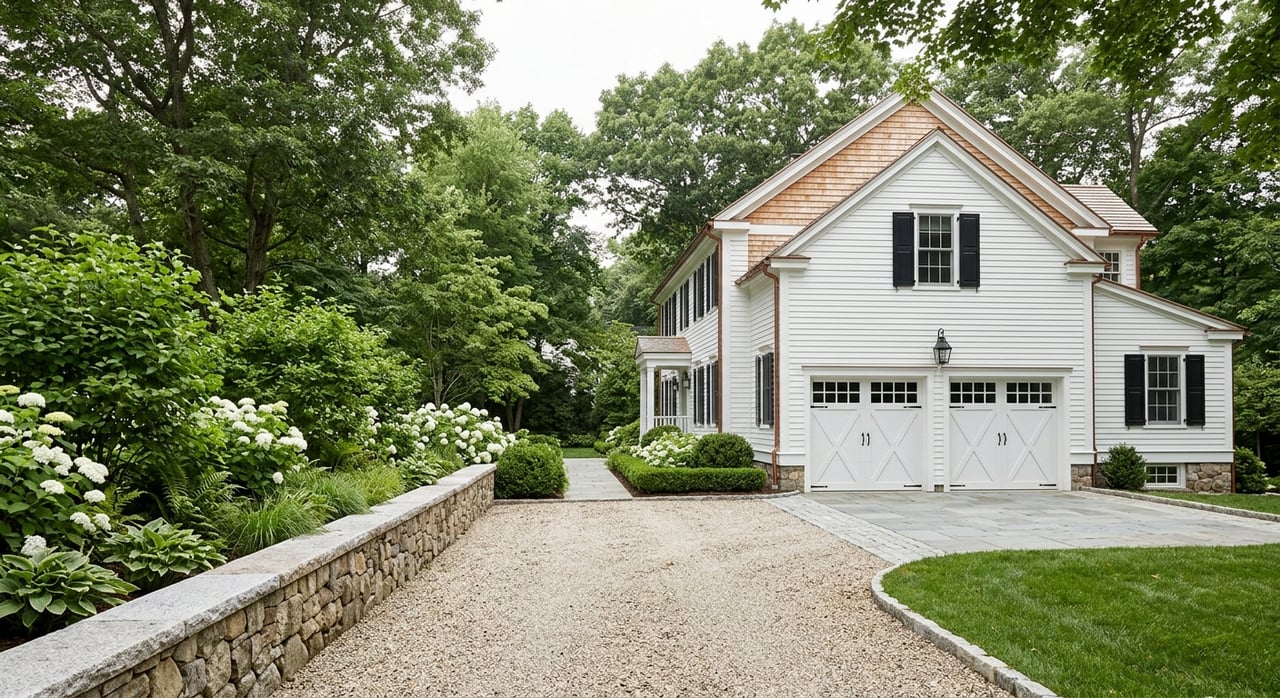
If you picture North Shore living as a mix of quiet roads, open space, and a home base that feels removed from the rush, Middleton may already be on your radar. But the right town is about more than charm. You need to know how daily life actually works, from commuting and housing options to services and recreation. This guide will help you decide whether Middleton fits your lifestyle, priorities, and long-term plans. Let’s dive in.
Why Middleton Stands Out
Middleton is a small Essex County town with about 9,959 residents spread across 13.45 square miles. It sits roughly 23 miles from Boston and borders Danvers, Topsfield, Boxford, North Andover, North Reading, and Peabody. Town materials describe it as a residential community with some manufacturing activity.
That setting gives Middleton a distinct feel compared with denser North Shore communities. It offers a quieter, more residential environment while still keeping you connected to nearby job centers, shopping, and regional routes. If you want space and a more low-key pace, Middleton checks that box.
What Daily Life Feels Like
Middleton has a semi-rural infrastructure profile, and that shapes everyday living in a real way. The town reports more than 2,000 acres of protected land, which adds to the sense of openness and preserves a lot of natural character.
It also functions differently from more urbanized towns. According to town information, water is supplied to about 50% of Middleton, and 95% of residents have individual septic systems. For many buyers, that is not a drawback, but it is an important lifestyle detail to understand before you move.
If you are looking for a polished suburban experience with a lot of land conservation and a less built-up feel, Middleton can be very appealing. If you want dense blocks of shops, sidewalks everywhere, and a more fully urban utility setup, it may feel less convenient.
Commuting From Middleton
One of the biggest questions buyers ask is simple: how easy is it to get around? In Middleton, the answer starts with your car. The town’s housing production plan identifies Route 114 and Route 62 as the major arterials, and the town sits immediately west of I-95.
At the same time, Middleton has no commuter rail, rapid transit, or fixed-route bus service within town limits. That makes it a stronger fit if you are comfortable driving to work, school, errands, or nearby stations and destinations.
The commute profile reflects that setup. Census data shows a mean travel time to work of 30.1 minutes. In practice, Middleton often works best for people commuting to North Shore employment centers or Boston-area destinations by car.
Traffic is also part of the local conversation. In late 2024, the town described Route 114 traffic as its number one complaint and held a forum focused on the Route 114 and Route 62 intersection. That does not mean Middleton is difficult across the board, but it does mean you should think carefully about your usual routes and peak travel times.
Housing Stock in Middleton
If you are comparing towns, Middleton’s housing pattern is one of its clearest defining traits. The town remains heavily single-family in character. Its housing production plan says more than 80% of the town’s land area is zoned primarily for single-family residential development, and 83.2% of zoned land is primarily single-family.
That matters because it affects both what you will see on the market and how the town is likely to feel over time. Middleton is not a place with a broad mix of multifamily buildings or a large attached-housing inventory. It is much more rooted in traditional suburban single-family housing.
There is also limited room for major growth. The housing production plan states that only about 4% of the town remains developable for residential uses and 1% for commercial uses. For buyers, that can support a sense of stability, though it may also mean fewer housing choices compared with towns that are building more aggressively.
What the Numbers Say
Middleton is a homeowner-heavy market. Census QuickFacts report an owner-occupied housing rate of 92.7%, which points to a town with a stable ownership base rather than a highly transient one.
The same data puts the median value of owner-occupied housing units at $742,700 and median household income at $167,402. Those figures suggest Middleton sits in a higher-cost suburban range on the North Shore.
For some buyers, that profile is exactly the draw. You may be looking for a town where ownership is the norm and where housing trends align with long-term residential living. For others, especially buyers hoping for a wider range of entry-level or rental options, Middleton may feel more limited.
ADUs and Flexibility
While Middleton is still mostly single-family, the town has added some flexibility. In December 2024, it adopted an accessory dwelling unit policy that allows attached or detached ADUs of up to 900 square feet by right in the R-1a, R-1b, RA, and R-2 districts.
That change may matter if you are thinking about multigenerational living, a guest space, or future flexibility on your property. It does not transform Middleton into a high-density market, but it does show that the town is making modest updates to expand housing options at the margins.
Schools and Grade Structure
For households planning around school logistics, Middleton has a straightforward pattern. The town lists Fuller Meadow and Howe-Manning as the local elementary schools. For grades 7 through 12, Middleton participates in the Masconomet Regional School District.
Masconomet serves Boxford, Middleton, and Topsfield for middle and high school. That regional structure is useful to understand if you are comparing towns and want clarity on where students attend by grade level.
Recreation and Open Space
Outdoor access is one of Middleton’s strongest selling points. The town says it has more than 2,000 acres of protected land, which creates a real sense of breathing room and supports an active outdoor lifestyle.
The town’s open-space resources highlight recreation areas, canoe and kayak landings on the Ipswich River, and the Middleton Rail Trail. The rail trail runs 4.5 miles along the old Essex Railroad and supports both recreation and alternate transportation.
If you value trails, natural scenery, and room to get outside close to home, Middleton offers a lot for a small town. That can be a major quality-of-life benefit, especially if you want a setting that feels quieter and less built out.
Local Services and Convenience
Middleton is not a dense commercial center, but it does support day-to-day living with a functional local service network. The town says it provides police, fire, waste disposal, street maintenance, recreational facilities, and preschool through grade 6 education.
The local business community also has a visible presence. According to the town’s economic development information, the Middleton Board of Trade includes more than 100 local business owners and often meets at Middleton restaurants and businesses.
That means you should think of Middleton as practical rather than highly urbanized. You can meet many daily needs locally, but you are not choosing the town for a busy downtown or a wide commercial corridor.
Who Middleton Is Best For
Middleton tends to be a strong fit if you want:
- A quieter North Shore setting
- A mostly single-family housing market
- Significant open space and recreation
- A residential community with a stable ownership base
- Car-based access to nearby employment centers and regional routes
It may be a weaker fit if you want:
- Frequent public transit options
- A denser downtown environment
- A broad mix of attached or multifamily housing
- A more urban street grid and service pattern
In other words, Middleton is less about convenience at every corner and more about space, residential character, and a calmer pace. For the right buyer, that tradeoff is exactly the point.
Questions to Ask Yourself
Before deciding whether Middleton is right for you, ask yourself a few practical questions.
How important is public transit?
If you rely on rail or bus service for your daily routine, Middleton may feel limiting. If you are comfortable driving and want direct road access instead, it may work very well.
What kind of housing do you want?
If you are focused on single-family homes in a suburban setting, Middleton aligns well with that goal. If you want a wide mix of condos, apartments, or newer multifamily options, your choices may be narrower.
How much do you value open space?
For many buyers, Middleton’s protected land, river access, and trail system are major advantages. If outdoor access matters to your lifestyle, this is one of the town’s clearest strengths.
Do you want a quieter setting?
Some buyers want activity, density, and a busier commercial core. Others want a town that feels more residential and removed from constant traffic and development. Middleton tends to appeal more to the second group, even though traffic along key roads remains an active issue.
The Bottom Line on Middleton
Middleton offers a specific kind of North Shore lifestyle. It is small, residential, and strongly shaped by single-family housing, open land, and car-based commuting. It is not trying to be a dense transit town, and that is exactly why some buyers love it.
If you want a quieter setting with meaningful outdoor access and a stable ownership profile, Middleton is worth a close look. If you need frequent transit, a wide range of housing types, or a more active downtown environment, another town may be a better match.
The key is knowing what matters most to you before you start your search. If you want help comparing Middleton with other North Shore towns, The Sullivan Realty Group can help you narrow your options and make a confident move.
FAQs
Is Middleton, MA a good fit for Boston commuters?
- Middleton can work well for buyers who commute by car, since the town is near Route 114, Route 62, and I-95, but it has no commuter rail, rapid transit, or fixed-route bus service within town limits.
What type of housing is most common in Middleton, MA?
- Middleton is primarily a single-family housing market, with more than 80% of its land area zoned mainly for single-family residential development.
Are there outdoor recreation options in Middleton, MA?
- Yes. Middleton has more than 2,000 acres of protected land, plus recreation areas, canoe and kayak access on the Ipswich River, and the 4.5-mile Middleton Rail Trail.
What schools serve students in Middleton, MA?
- Middleton lists Fuller Meadow and Howe-Manning as its local elementary schools, and students in grades 7 through 12 attend schools in the Masconomet Regional School District.
Is Middleton, MA a transit-friendly town?
- No. Middleton is built more around driving than public transit, with no commuter rail, rapid transit, or fixed-route bus service in town.
Does Middleton, MA allow accessory dwelling units?
- Yes. As of December 2024, Middleton allows attached or detached ADUs up to 900 square feet by right in the R-1a, R-1b, RA, and R-2 districts.